We specialize in developing high-quality, high-reliability dexterous hand motors, finger joint modules, encoders, servo drives, and more. We provide complete hardware solutions and customized design and development services for manufacturers of humanoid robot dexterous hands.
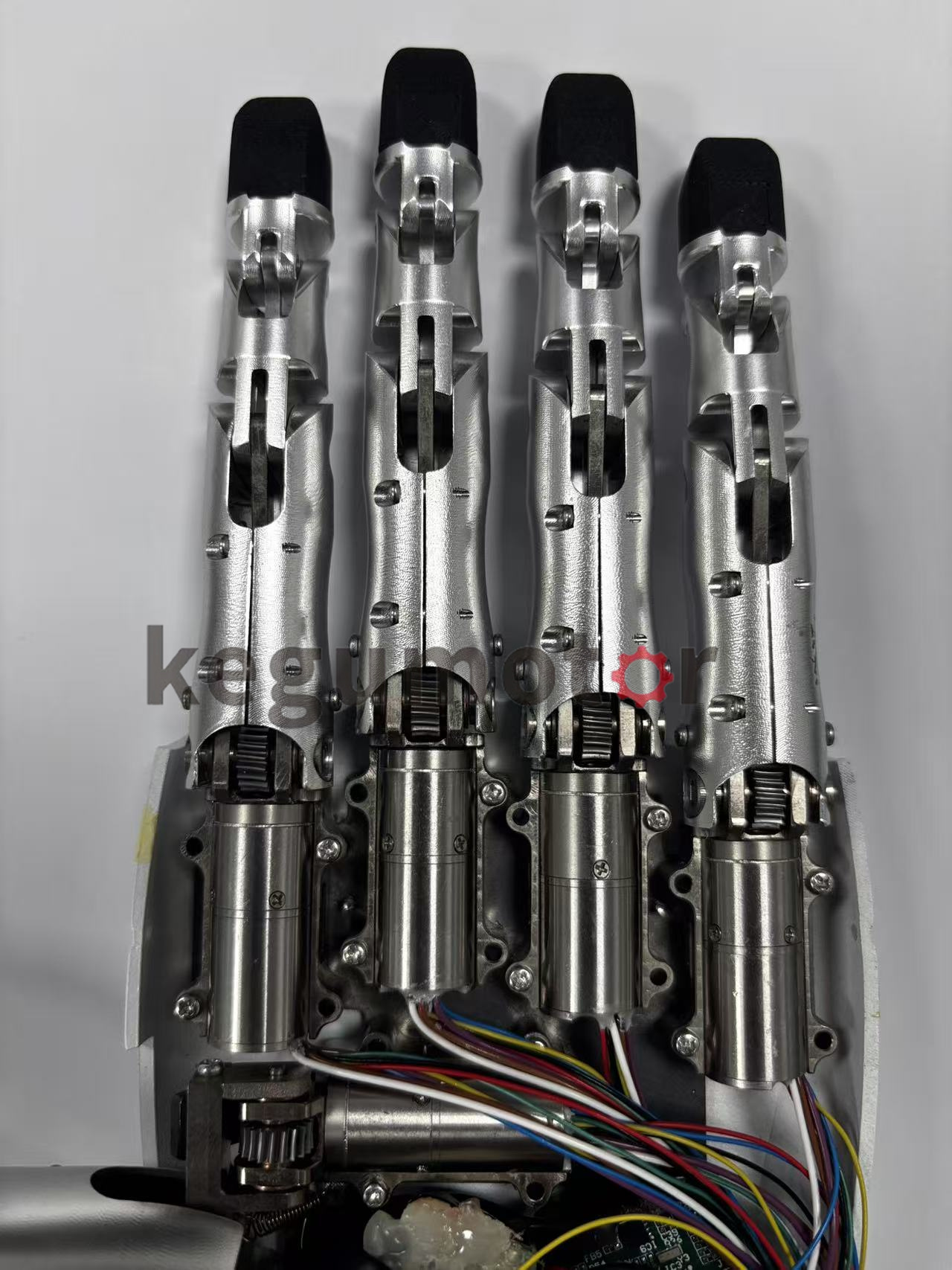
The dexterous hand determines the application scenarios of a robot. A humanoid robot's dexterous hand is a special end effector designed based on human hand kinematics.
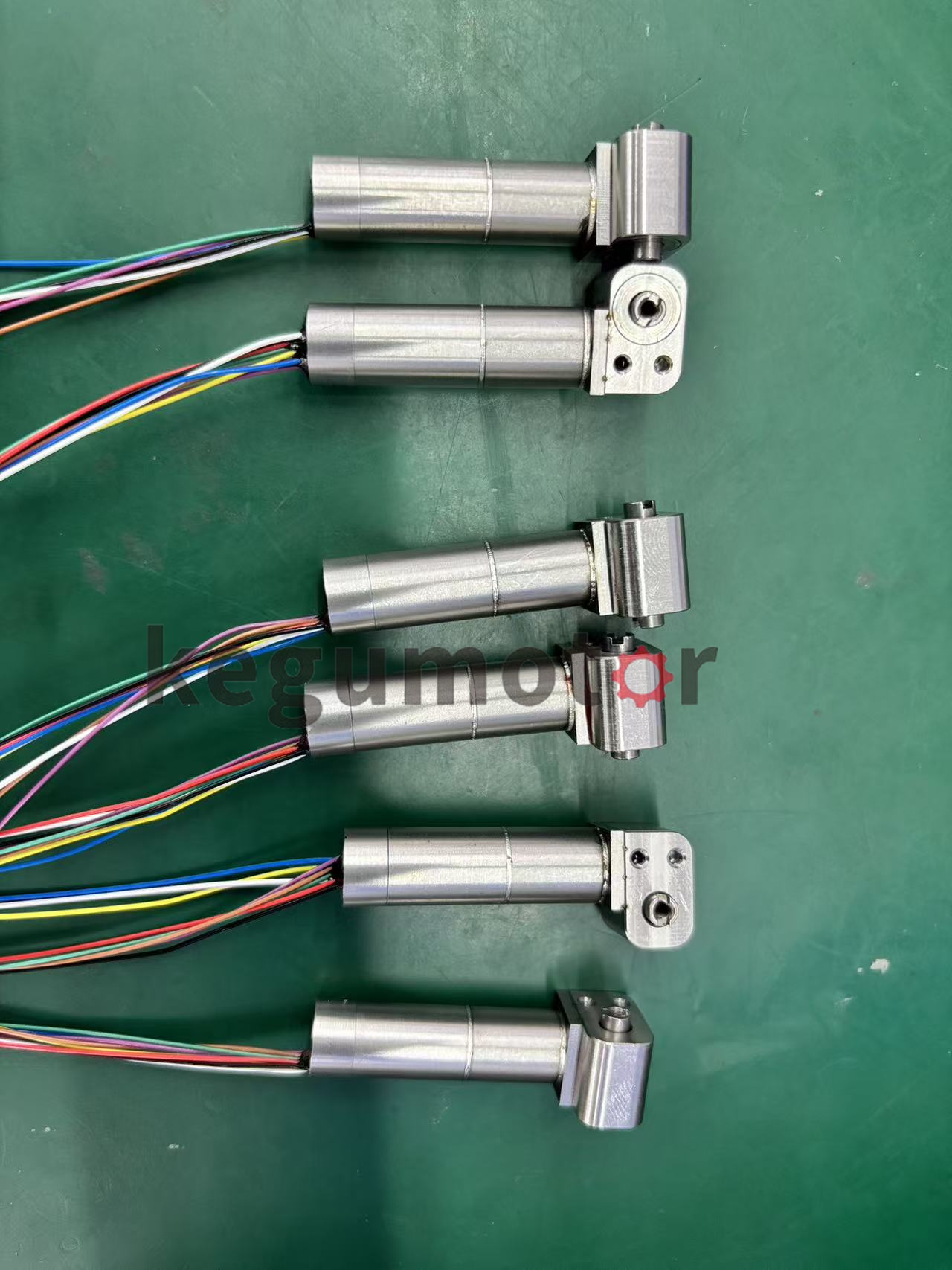
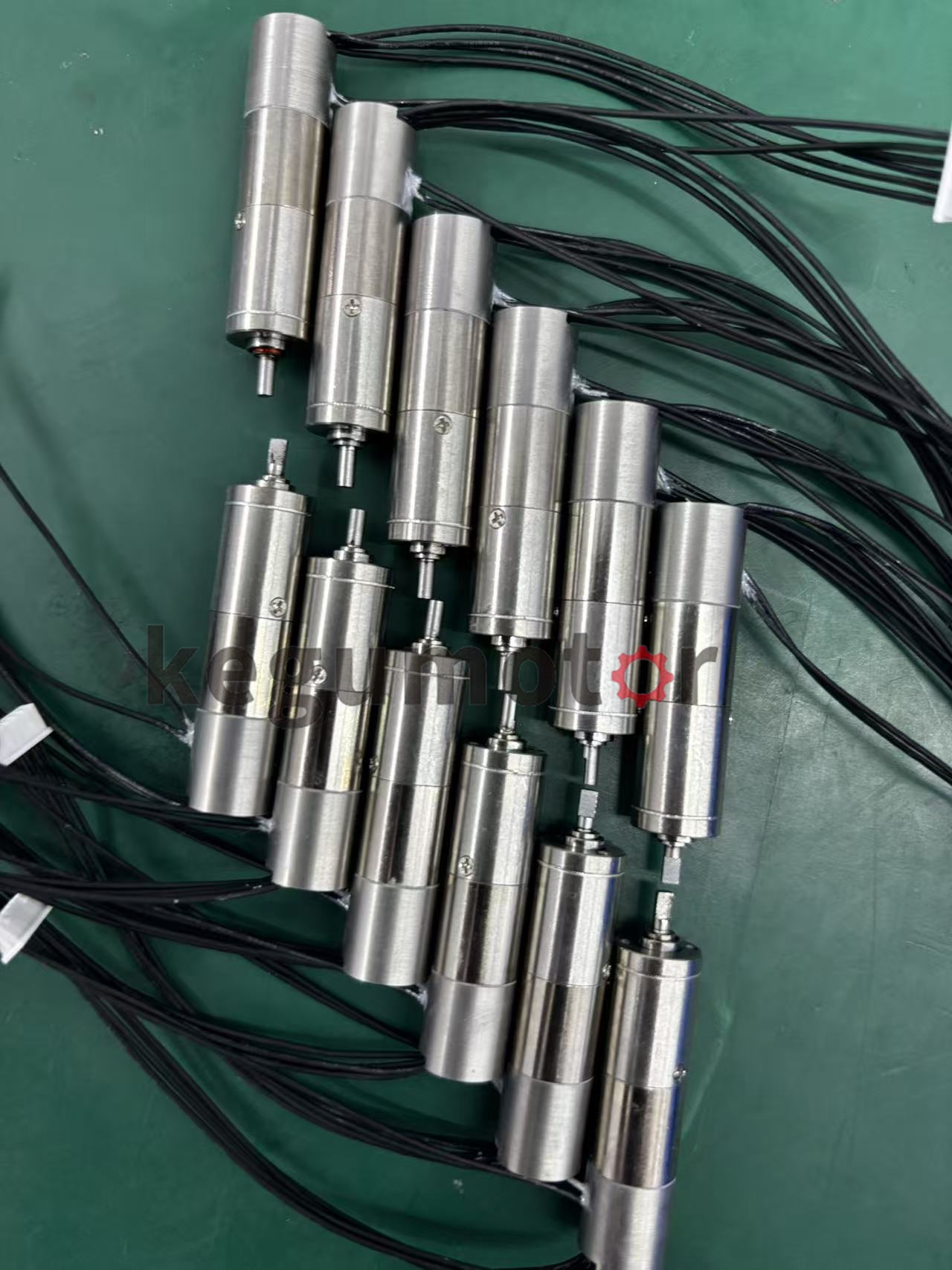
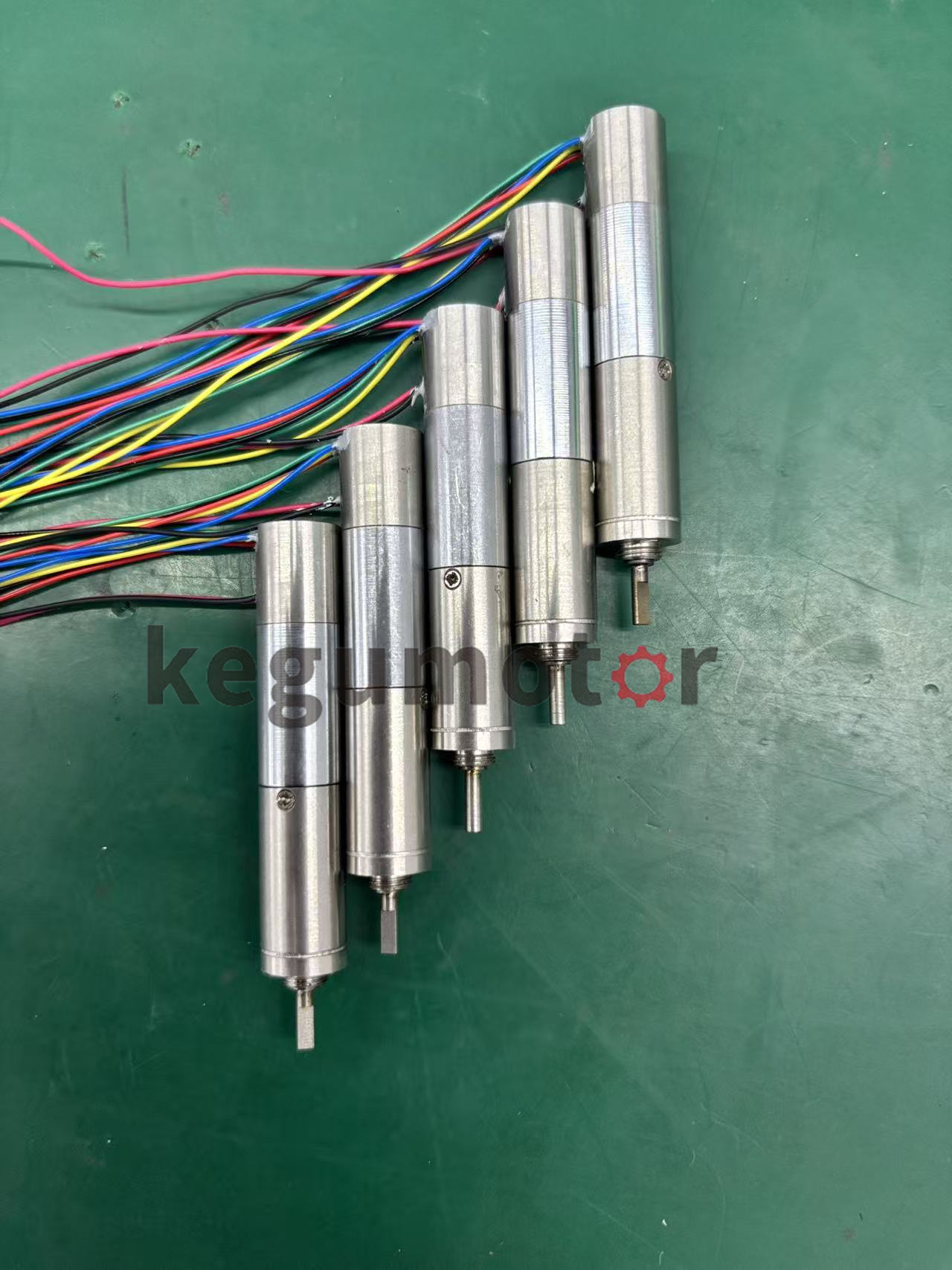
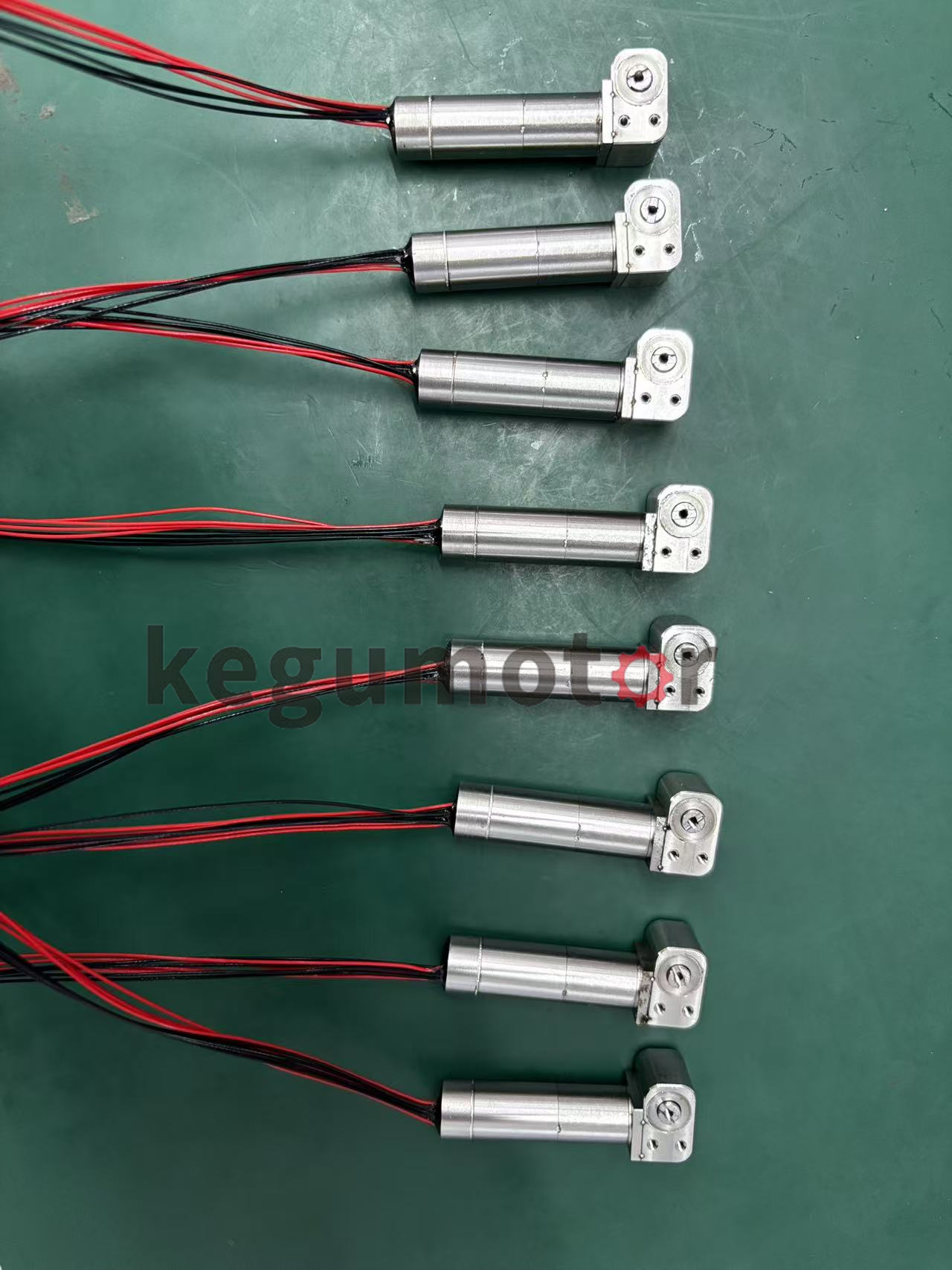
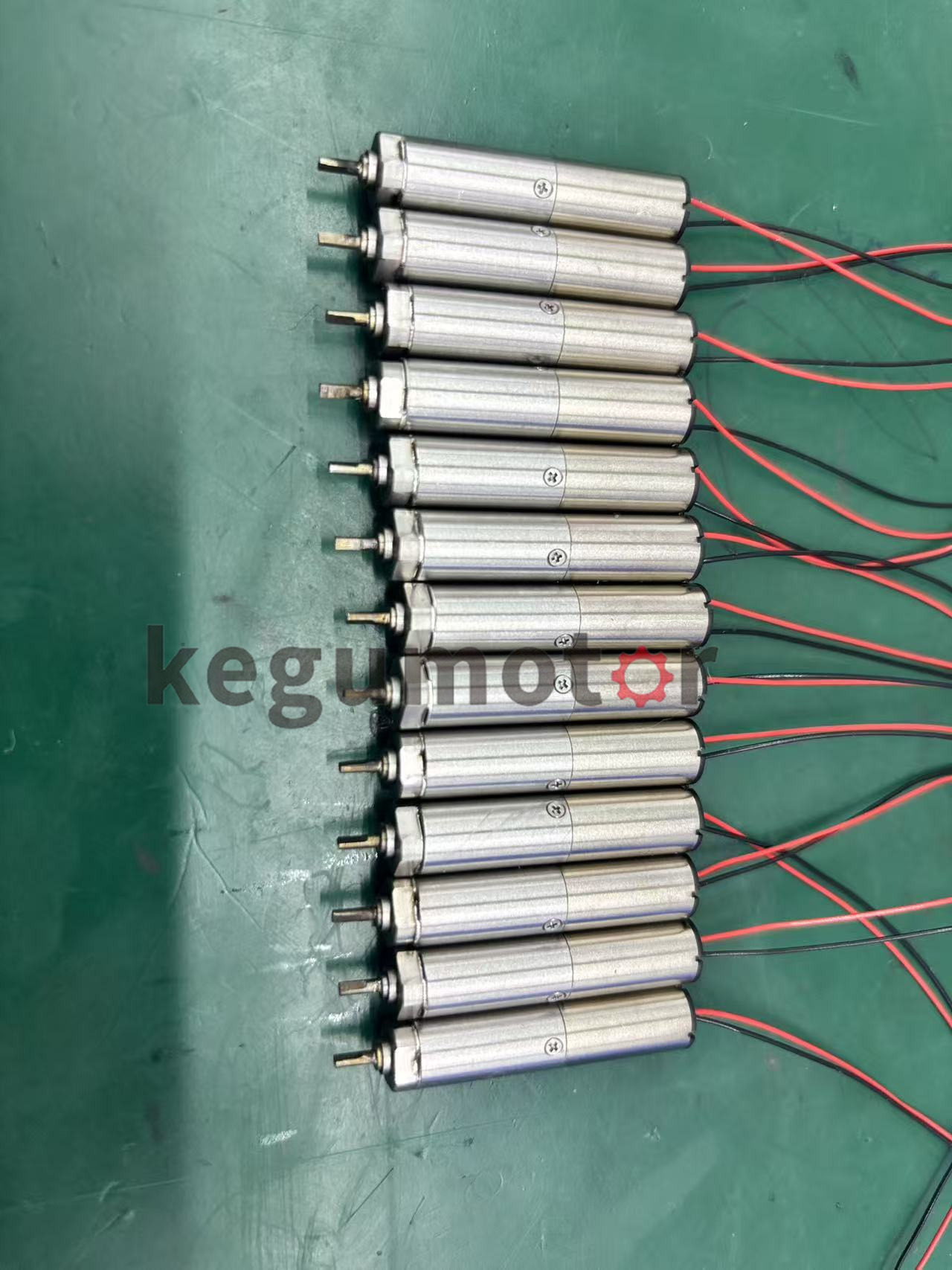
The drive motor for the dexterous hand: a coreless motor.
Dexterous hands generally use a module consisting of a coreless motor and a multi-stage planetary gearbox. Kego Electric's precision planetary gearbox: the Tesla Optimus single-hand 6-brushless coreless motor module, consists of a coreless motor, planetary gearbox, encoder, driver, and sensor. Features: higher torque transmission capacity and stronger rigidity, and lower cost. The coreless motor is a special type of DC motor, structurally breaking away from the traditional DC motor form. It uses a coreless rotor, and its armature winding is a hollow cup coil, resembling a water cup, hence the name "coreless motor." Coreless motors have high-speed, low-torque characteristics. To obtain greater finger gripping force in a smaller space, it needs to be used with a planetary gearbox, typically integrating 2-3 stages. Hollow cup joints are a type of DC permanent magnet servo micro motor. In principle, they belong to the category of rotary joints, featuring a novel rotor structure, unique coil manufacturing process, and small size. Hollow cup motors are divided into brushed and brushless types. Brushed motors have a coreless rotor, while brushless motors have a coreless stator. Available outer diameters are 8mm, 10mm, 12mm, 13mm, 16mm, and 22mm for hollow cup geared motors.
There are many dexterous hand transmission solutions, each with its own advantages and disadvantages. Currently, the main ones are as follows:
1) Worm gear: This converts the motor's rotary motion into linear motion using a worm gear. Its advantages are fewer components, simpler structure, easier assembly, and lower cost after mass production; its disadvantages are low transmission efficiency and a purely rigid structure.
2) Rolling Screw: A screw driven by a motor rotates, using frictional torque to drive rollers, thus converting the screw's rotational motion into the linear reciprocating motion of a nut. It features low friction, high precision, high rigidity, and reversible transmission.
3) Cord Drive: This transmits the motor's motion power from the palm or arm to the finger joints. A single cord is lightweight, making it suitable for confined spaces and scenarios requiring multiple degrees of freedom. The disadvantage is that the cord's tension and path require precise adjustment, potentially involving complex adjustment mechanisms. It also lacks rigidity; excessive tension when gripping heavy objects can lead to slippage.
4) Linkage Drive: This uses a combination of series and parallel linkages to transmit motion and torque, enabling finger movement. It offers relatively high rigidity and a compact structure. However, the linkage's size and transmission errors affect the finger's ability to operate over long distances, and its gripping stability range is relatively small.
The company provides production lines for ball screw geared motors, coreless motors, reducers, dexterous hand structural components, and core component assembly lines. It can also provide one-stop ODM services for ball screws, reducers, joints, and even complete machine hardware.
 ∷
∷

 Engineer 1
 Engineer 2